
Wound Care Software for Home Health 2026
Wound care software for home health agencies and contracted wound care specialists — the two billing models and which software fits each workflow.
Damon Ebanks
Medipyxis
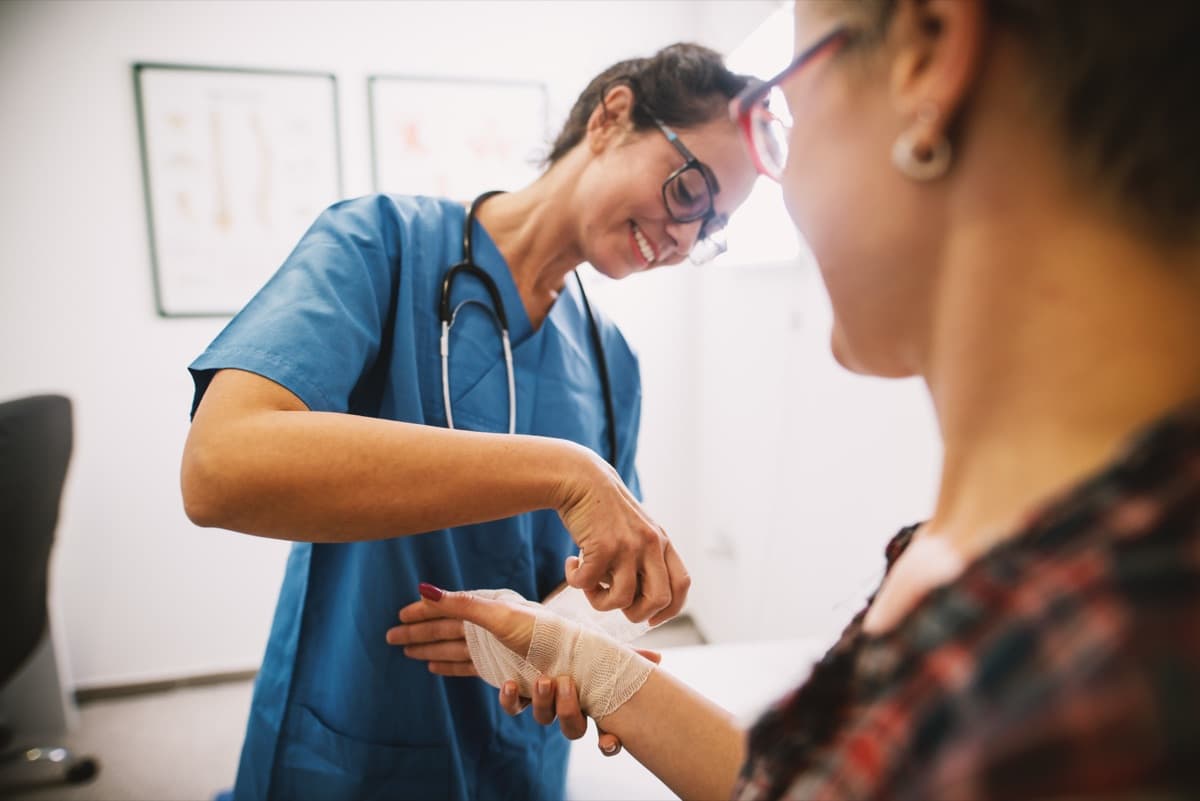
Wound Care Software for Home Health
Like the SNF market, home health wound care runs under two billing models that require different software. Getting this wrong means buying a platform that does not match your billing workflow.
Model 1: HHA Staff, PDGM Billing
A home health agency employs or contracts wound care nurses as part of the home health interdisciplinary team. The agency bills the home health episode under PDGM. Wound care is documented within the agency's EHR (HomeCare HomeBase, WellSky, Axxess, MatrixCare HHA) as part of the OASIS assessment and care plan.
The agency needs wound documentation capabilities within their existing platform — not a separate wound care EMR. OASIS wound staging and Braden Scale documentation are the primary requirements.
Software: The agency's existing EHR, optimized for wound documentation. Not a separate platform.
Model 2: Contracted Independent Specialist, Part B Billing
A wound care NP or PA contracts with one or more home health agencies to provide specialized wound management on a per-visit basis. The specialist bills Medicare Part B independently under their own NPI. The HHA bills the episode separately. Two independent billing transactions.
The specialist needs a wound care-specific platform that works in home environments — which means offline capability (no facility WiFi) and full Part B billing. The HHA's HomeCare HomeBase does not handle the specialist's Part B billing.
The Home Health Environment Is Different from SNF
In SNFs, the specialist typically sees multiple patients in the same building with brief travel between rooms. In home health, each visit is a separate location. Specific differences:
Connectivity: No facility WiFi. Cellular may be spotty. Offline capability is more critical in home health than in SNFs.
Documentation timing: Notes may be completed in the vehicle or at home rather than on-site. The platform must support deferred sync.
Photography conditions: Variable lighting. The wound imaging workflow must work in home environments — floor, bed, variable natural light.
Supplies: The specialist carries everything. Supply restocking strategy differs from SNF work.
Building HHA Referral Relationships
HHAs prefer contractors who document in OASIS-compatible language. Wound stage, dimensions, tissue composition, and periwound assessment formatted to align with OASIS M1300–M1342 wound items allows the HHA's OASIS coordinator to pull from the specialist's clinical record rather than independently staging wounds.
This is a direct service differentiator. Specialists who provide OASIS-aligned documentation get more referrals from the same HHAs. Document this way regardless — your MAC's LCD requires this information anyway, just in a slightly different format.
Platform Recommendation
For home health contracted specialists, the platform requirements are identical to SNF specialist requirements: offline capability, complete Part B billing, LCD compliance, wound imaging. The same platforms apply.
Medipyxis serves both SNF and home health specialist workflows on one platform.
See Medipyxis for home health specialist workflow → Book a Demo
Related: SNF Software Guide | Best EHR for Solo NPs | EMR Comparison