
Managing Remote Wound Care Teams: A Best Practices Guide
Best practices for managing remote wound care teams including mobile workforce communication, clinical supervision, quality monitoring, and team culture.
Damon Ebanks
Medipyxis
The Challenge of Managing Remote Wound Care Teams
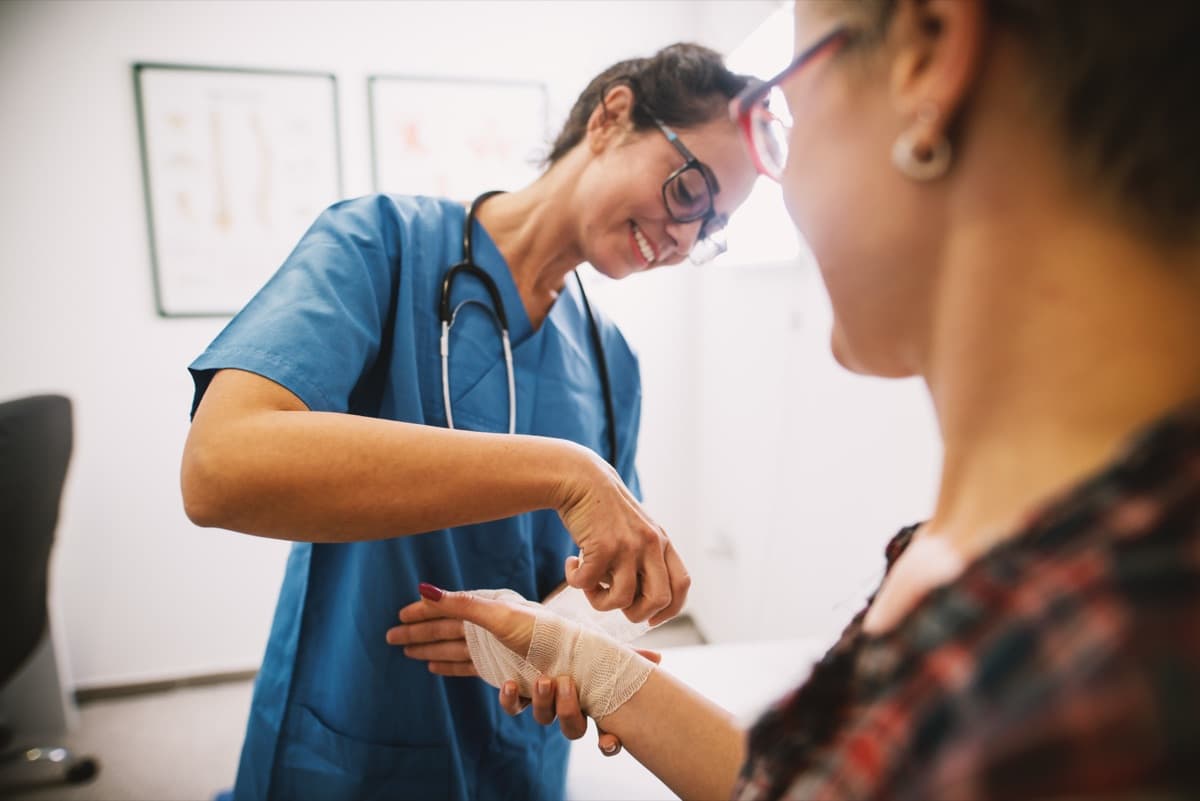
Managing remote wound care teams is fundamentally different from managing a clinic-based staff. Your clinicians are spread across a geographic territory, working independently inside patient homes and skilled nursing facilities, making real-time clinical decisions without a colleague down the hall to consult. The management challenge is not about tracking hours or verifying location -- it is about maintaining clinical quality, professional connection, and team cohesion when your workforce never shares a physical workspace.
Mobile wound care practices live and die on two things: the clinical competence of every individual clinician and the systems that keep those clinicians connected to each other and to leadership. Get both right and you build a practice that scales. Neglect either one and quality erodes invisibly until a patient outcome or a payer audit forces the problem into the open.
For the communication infrastructure that supports everything below, Wound Care Team Communication covers the specific tools and cadences that work in mobile settings.
Communication Systems for a Distributed Workforce
The default failure mode for remote teams is silence. A clinician finishes a visit, drives to the next patient, and the only record of what happened is the progress note they write in the EHR -- sometimes hours later. Without intentional communication systems, leadership loses visibility and clinicians lose connection.
Daily check-ins. A brief morning touchpoint -- five minutes, not thirty -- where each clinician confirms their schedule, flags any patients of concern, and raises supply or logistical issues. This can be a group text thread, a quick voice call, or a HIPAA-compliant messaging channel. The point is not micromanagement. It is creating a daily habit of connection that prevents problems from festering.
End-of-day summaries. Each clinician sends a brief structured update after their last visit: number of patients seen, any clinical concerns that need follow-up, any documentation that will be completed later, and any scheduling changes for the next day. This takes two minutes to write and saves leadership from the anxiety of wondering what happened in the field.
Weekly team meetings. One standing virtual meeting per week where the full team gathers. This is not a status report -- everyone already knows the daily status. This is for case discussions, clinical education, policy updates, and the social connection that remote workers lose without intentional effort.
Setting Expectations Without Micromanaging
The line between accountability and surveillance is thin. Clinicians chose mobile wound care partly for the autonomy. The management approach that works is outcome-based, not activity-based.
Define clear expectations around response time (clinical messages answered within 30 minutes during business hours), documentation timeliness (progress notes completed within 24 hours of the visit), and patient scheduling parameters (first visit before 9:30 AM, minimum five patients per day unless census dictates otherwise). Then measure those outcomes without tracking every mile driven or minute spent.
Clinical Supervision at a Distance
Clinical supervision is the hardest piece of remote team management. In a clinic, a medical director can glance at a wound during a hallway conversation. In mobile practice, clinical oversight requires structure.
Chart review cadence. Establish a regular chart review schedule -- weekly for new clinicians in their first 90 days, biweekly for experienced clinicians. Review a sample of progress notes for documentation completeness, treatment plan appropriateness, and adherence to evidence-based protocols. Use a standardized review rubric so feedback is consistent and clinicians know what is being measured.
Photo review. Wound photography is standard practice, and it doubles as a supervision tool. Reviewing wound photos alongside progress notes reveals whether clinical assessments match what the wound actually looks like. A note that says "granulation tissue present, wound improving" alongside a photo showing significant slough tells a different story.
Ride-along visits. Schedule periodic in-person observation visits -- quarterly at minimum -- where a supervisor or medical director accompanies the clinician on patient visits. This is the only way to assess bedside manner, aseptic technique, patient education delivery, and the clinical decision-making process that documentation alone cannot capture.
Case consultation availability. Every clinician in the field should know exactly how to reach a clinical supervisor or physician collaborator in real time when they encounter something outside their comfort zone. Define the escalation path and make it frictionless. If a clinician has to leave a voicemail and wait two hours for a callback, they will stop calling.
Quality Monitoring Without a Physical Office
Quality monitoring in remote wound care requires proxy metrics because direct observation is infrequent. Build a dashboard of leading indicators that flag quality drift before patient outcomes suffer.
Documentation timeliness. Notes completed more than 24 hours after a visit correlate with reduced accuracy. Track the time delta between visit and note completion. Patterns of late documentation often indicate clinician overload or burnout rather than laziness.
Wound healing trajectory. Track wound size changes over time by clinician and by wound type. Individual clinicians whose patients consistently show slower healing trajectories may need additional training, mentorship, or caseload adjustment. This is not about blame -- it is about identifying where the system needs support.
Patient satisfaction. Even simple post-visit satisfaction surveys (three questions, text-based) provide signal about clinician performance that chart reviews miss entirely. Patients will tell you about communication quality, punctuality, and pain management in ways that clinical documentation never captures.
Supply utilization. Track supply usage per visit and per wound type. Outlier patterns -- a clinician using significantly more or fewer supplies than peers with similar patient populations -- can indicate either waste or under-treatment.
For practices where quality issues trace back to clinician wellbeing, Wound Care Burnout Prevention addresses the root causes that drive turnover in mobile teams.
Maintaining Culture When You Never Share a Hallway
Remote wound care teams face a culture problem that no amount of Slack channels can fully solve: loneliness. A clinician who spends eight hours a day driving between patient homes and working alone is at risk for professional isolation that erodes engagement, clinical curiosity, and retention.
Peer mentorship pairings. Pair experienced clinicians with newer team members and create structured touchpoints between them -- a weekly phone call, shared case discussions, a standing invitation to ride along. This builds relationships that outlast any onboarding program.
Clinical education investment. Monthly continuing education sessions, certification sponsorship, and conference attendance are not just professional development. They are signals that the organization values its clinicians as professionals, not interchangeable visit-generators.
Recognition that goes beyond metrics. Acknowledge clinical excellence, difficult case management, and mentorship contribution -- not just productivity numbers. When the only feedback a remote clinician hears is about visit counts, the message is clear regardless of what the employee handbook says about values.
In-person gatherings. Quarterly or biannual in-person team gatherings -- even a half-day -- provide the social bonding that sustains remote teams between meetings. Budget for these. The cost of a team lunch and a half-day of lost productivity is trivial compared to the cost of replacing a burned-out clinician.
Key Takeaways
- Remote wound care team management requires intentional communication systems -- daily check-ins, end-of-day summaries, and weekly team meetings -- because the default mode is silence and isolation.
- Clinical supervision at a distance depends on structured chart reviews, wound photo audits, periodic ride-along visits, and frictionless real-time consultation access.
- Quality monitoring should track leading indicators (documentation timeliness, wound healing trajectories, supply utilization) that flag problems before patient outcomes suffer.
- Culture in remote teams requires active investment: peer mentorship, continuing education, meaningful recognition, and periodic in-person gatherings.
- The management approach that retains mobile clinicians is outcome-based accountability, not activity-based surveillance.