
Starting a Wound Care Practice in Ohio: 2026 Guide
How to start a wound care practice in Ohio — NP scope with CPA requirement, CGS MAC jurisdiction, Cleveland, Columbus, and Cincinnati market opportunities.
Damon Ebanks
Medipyxis
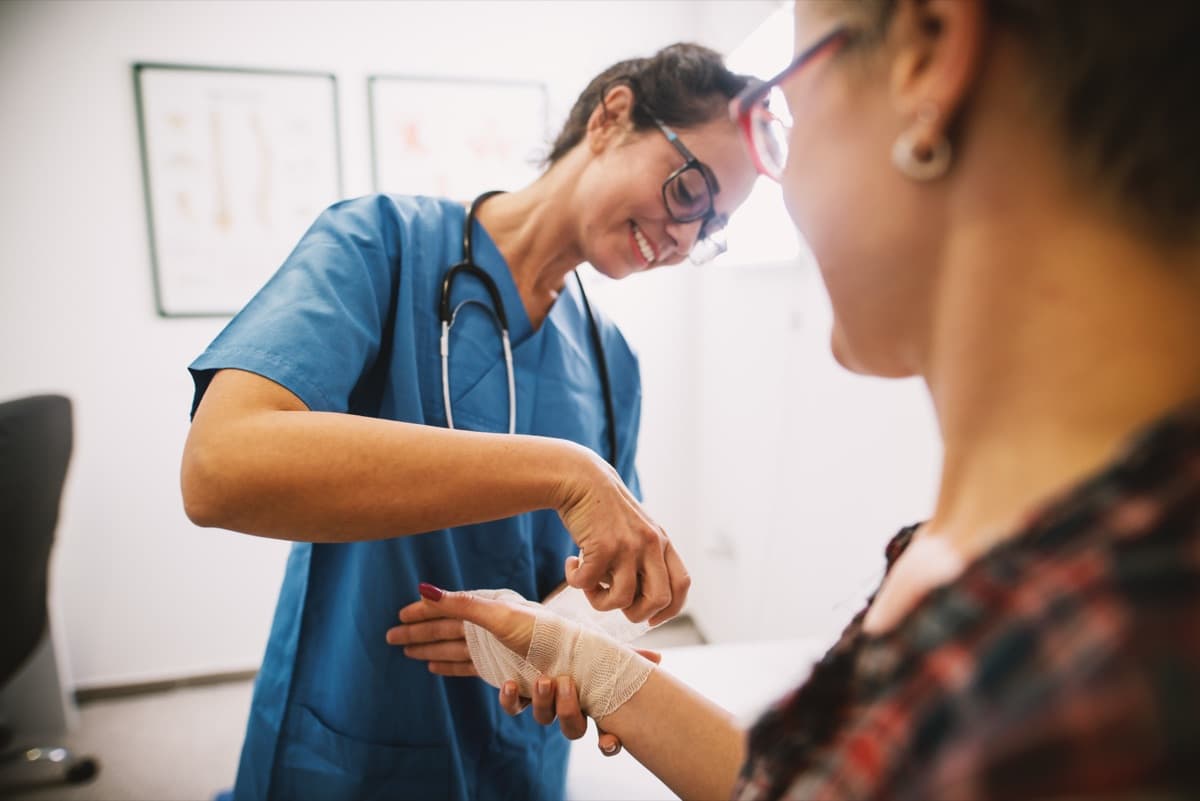
Starting a Wound Care Practice in Ohio
A wound care practice Ohio launch positions you in a state with a mature healthcare ecosystem, a large Medicare population, and three distinct metro markets — Cleveland, Columbus, and Cincinnati — each with different competitive dynamics. Ohio also has significant rural Appalachian demand in the southeastern counties where chronic wound prevalence is high and provider access is limited.
Ohio requires NPs to maintain a Collaborative Practice Agreement (CPA) with a physician, which adds a structural requirement to your business setup. This guide covers the regulatory, market, and operational landscape specific to starting a wound care practice in Ohio.
Ohio NP Scope of Practice: CPA Required
Ohio requires nurse practitioners to maintain a Collaborative Practice Agreement (CPA) with a collaborating physician. The CPA is governed by the Ohio Board of Nursing in consultation with the State Medical Board of Ohio.
Key requirements:
- The NP must have a signed Standard Care Arrangement (SCA) with a collaborating physician
- The collaborating physician must hold an active, unrestricted Ohio medical license
- The physician must be available for consultation and periodic chart review
- One physician may collaborate with up to three NPs at a time (verify current Ohio Revised Code for any updates)
- The NP may prescribe medications including Schedule II-V controlled substances under the SCA
- The SCA must be updated annually and kept on file at the practice location
What this means for wound care:
Wound care clinical services — debridement, assessment, skin substitute application, NPWT management, dressing changes — are within NP scope under an Ohio SCA. The collaborative agreement primarily affects prescriptive authority and establishes the oversight framework. The physician does not need to be on-site during wound care visits.
Cost: Collaborating physician arrangements in Ohio typically run $400-$1,000/month. Cleveland and Columbus have a larger supply of willing collaborating physicians than rural areas, which keeps metro rates competitive.
Finding a collaborating physician: Look for wound care specialists, vascular surgeons, or podiatrists practicing in the SNF and home health network in your target service area. Physicians familiar with wound care documentation and LCD compliance are operationally better partners.
Ohio Business Formation
Ohio allows NPs to form standard business entities for healthcare practices.
Common structures:
- LLC — The most common choice for NP-led practices in Ohio. Filed with the Ohio Secretary of State. Filing fee: $99 online.
- Professional Corporation — Available but adds complexity without significant benefit for most NP-owned wound care practices.
- Sole proprietorship — Not recommended due to personal liability exposure.
EIN, NPI, and CLIA: Apply for a business EIN through the IRS, individual and organizational NPI through NPPES, and CLIA waiver if performing point-of-care testing.
For entity structure comparison, see LLC vs PLLC by State.
Your MAC: CGS Administrators (Jurisdiction 15)
Ohio falls under CGS Administrators, Jurisdiction 15. CGS processes Medicare Part B claims for Ohio and Kentucky.
CGS wound care LCD: CGS maintains a Local Coverage Determination for wound care that defines covered services, documentation requirements, and medical necessity criteria. Check the CGS provider portal (cgsmedicare.com) for the current LCD number and associated billing article.
Key CGS documentation requirements:
- Wound measurements (length x width x depth) at each visit
- Wound bed tissue type and percentage breakdown
- Anatomical wound location using standardized terminology
- Treatment rendered with clinical rationale
- Medical necessity statement for each service performed
- Response to treatment documented at each encounter
- Treatment plan with goals and expected outcomes
CGS audit posture: CGS has been moderately active in wound care audits. Pay particular attention to debridement coding documentation and skin substitute medical necessity. Ensure documentation clearly supports both the procedure performed and the clinical rationale for that specific level of service.
High-Opportunity Wound Care Practice Ohio Markets
Cleveland Metro
Cleveland and the surrounding Cuyahoga County area have a dense concentration of SNFs, ALFs, and a large Medicare population. The Cleveland Clinic and University Hospitals create a referral ecosystem, but the satellite communities — Akron, Lorain, Elyria, Mentor, and the outer suburbs — are where mobile wound care demand is strongest. Patients discharged from Cleveland's major medical centers who need ongoing wound management at home or in post-acute settings drive consistent volume.
Market characteristic: High volume, established referral networks. Strongest mobile wound care demand in the suburbs and satellite cities.
Columbus Metro
Columbus is Ohio's fastest-growing metro area with a younger demographic profile than Cleveland or Cincinnati. The senior population is growing rapidly in the outer ring — Delaware, Licking, Fairfield, and Pickaway counties. Ohio State University Wexner Medical Center anchors the academic referral network, but wound care provider capacity has not kept pace with SNF expansion in the suburbs.
Market characteristic: Fastest growth, less saturated than Cleveland, strong university hospital referral base.
Cincinnati Metro
Cincinnati spans the Ohio-Kentucky border, creating a cross-state opportunity. Hamilton County and the northern Kentucky counties (Boone, Kenton, Campbell) can be served from a single base. The Cincinnati VA Medical Center adds a military-connected payer dimension.
Market characteristic: Cross-state service area creates competitive moat. VA and TRICARE add payer diversity.
Appalachian Ohio
The southeastern Ohio counties — Athens, Meigs, Vinton, Hocking, Jackson, Pike — have among the highest diabetes prevalence and chronic wound rates in the state. The provider-to-patient ratio for wound care is dramatically lower than in the three metros. These markets can sustain a mobile practice with lower overhead, though drive times between patients are longer.
Market characteristic: High clinical need, minimal competition, higher Medicaid mix, longer drive distances. A strong fit for NPs who want to build a practice serving a genuinely underserved population.
Ohio Medicaid Wound Care
Ohio Medicaid operates through managed care plans. The major MCOs — Buckeye Health Plan, CareSource, Molina, UnitedHealthcare Community Plan, AmeriHealth Caritas, and Anthem — each require separate credentialing.
Key considerations:
- Ohio Medicaid reimbursement rates for wound care services are below Medicare rates
- Prior authorization requirements vary by MCO and procedure type
- Skin substitute applications and NPWT typically require prior authorization
- Credentialing timelines run 60-120 days per MCO
Begin MCO credentialing in parallel with Medicare enrollment. Ohio has more MCOs than many states, so the credentialing workload is significant.
Malpractice Insurance
Ohio has a tort reform framework that limits certain aspects of medical malpractice damages, though the specifics have been subject to legal challenges. NP malpractice insurance premiums in Ohio are moderate compared to national averages.
Typical NP malpractice insurance for wound care in Ohio: $1,200-$2,500/year for $1M/$3M occurrence-based coverage. Verify that wound care procedures — sharp debridement, skin substitute application, NPWT — are explicitly covered under your policy.
Credentialing Timeline: Ohio Launch Sequence
A realistic timeline from decision to first patient in Ohio:
- Weeks 1-2: Entity formation (LLC), EIN, NPI applications
- Weeks 2-4: Secure Standard Care Arrangement with collaborating physician
- Weeks 2-6: CAQH profile setup, malpractice insurance
- Weeks 4-16: Medicare enrollment (PECOS), CGS processing
- Weeks 4-20: Medicaid MCO credentialing (parallel with Medicare)
- Weeks 8-12: SNF and home health agency contract outreach
- Week 16-20: First patients (assuming Medicare enrollment complete)
Medicare enrollment through PECOS and CGS processing is the bottleneck. Start your CAQH profile early — you can update details as entity formation completes.
For a complete walkthrough of the startup process, see How to Start a Mobile Wound Care Business. For NP scope of practice details in other states, see NP Scope of Practice by State.
Key Takeaways
- Ohio requires NPs to maintain a Standard Care Arrangement (collaborative practice agreement) with a physician — the SCA must be in place before you begin seeing patients
- CGS Administrators (Jurisdiction 15) is your MAC — review their wound care LCD for documentation and medical necessity requirements before submitting claims
- Cleveland, Columbus, and Cincinnati offer three distinct market dynamics; Columbus is the fastest-growing with the least saturation
- Appalachian Ohio has high wound care demand with minimal competition — a strong opportunity for providers willing to serve rural populations
- Ohio has more Medicaid MCOs than many states, making the credentialing workload heavier; begin all MCO applications in parallel with Medicare enrollment
Related: How to Start a Mobile Wound Care Business | NP Scope of Practice by State | Credentialing Guide