
Technology for Wound Care Patient Education in 2026
Guide to technology for wound care patient education including digital tools, video instructions, app-based monitoring, and measuring outcomes.
Damon Ebanks
Medipyxis
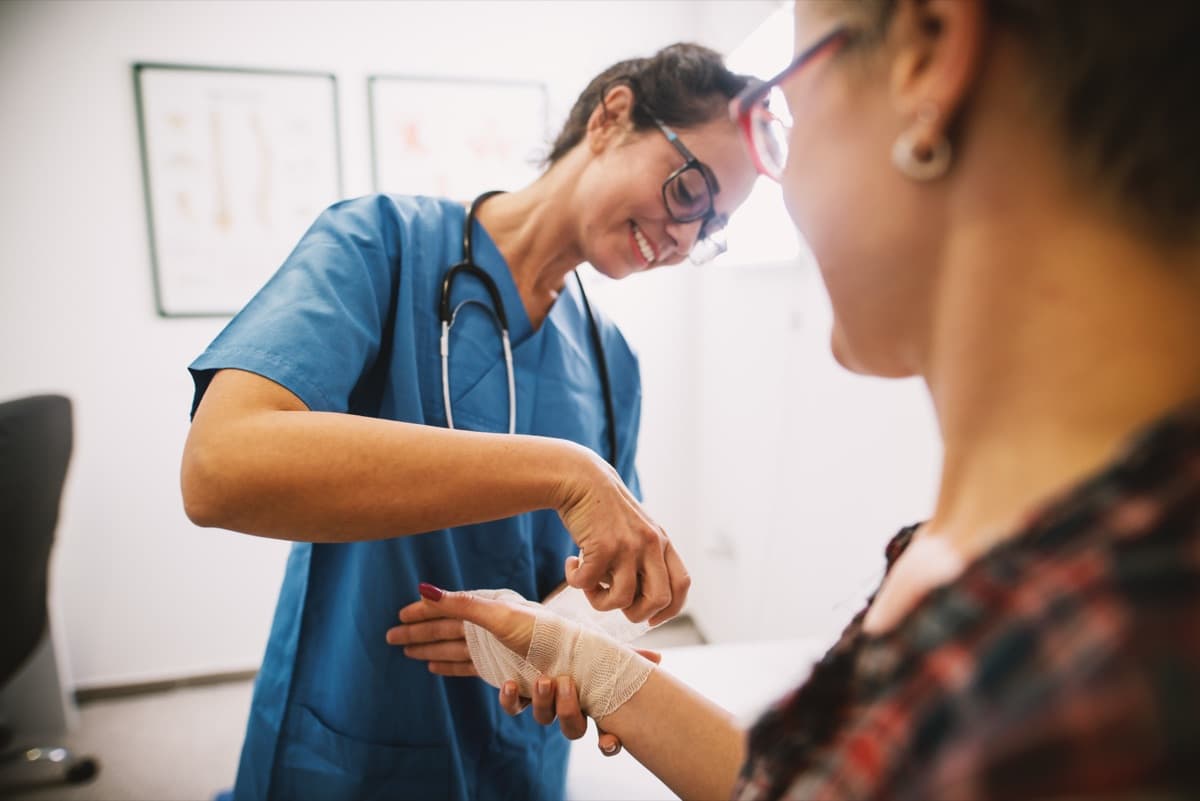
Technology for Wound Care Patient Education
Technology for wound care patient education has moved beyond the printed handout. In 2026, wound care practices have access to digital education tools that deliver wound care instructions through video, interactive apps, and patient portal content that patients can access on their phones at the moment they need it, not just during the clinic visit when they are overwhelmed with information.
The shift matters because wound care education has a timing problem. Patients receive dressing change instructions in the clinic, but they perform dressing changes at home, hours or days later. Printed instructions get lost, misread, or forgotten. Digital education tools close that gap by putting the right information in the patient's hands at the moment they are standing in front of a mirror trying to remember whether to apply the foam side or the adhesive side first.
This guide covers the digital education tools available to wound care practices in 2026, practical implementation approaches, and how to measure whether the technology is actually improving patient outcomes.
Digital Education Tools for Wound Care
Video-Based Wound Care Instructions
Video instructions are the highest-impact digital education tool for wound care. Dressing changes, compression wrap application, and wound cleaning techniques are physical skills that text descriptions struggle to convey. A two-minute video showing the actual technique is worth more than a page of written steps.
Effective wound care education videos share these characteristics:
- Short duration (60-120 seconds per topic)
- Filmed from the patient's perspective, not the clinician's
- Narrated in plain language without medical terminology
- Available in the languages spoken by the practice's patient population
- Demonstrating the specific supplies the patient was given, not generic products
Common video topics for wound care practices:
- Dressing removal and disposal
- Wound cleaning technique
- Dressing application for specific wound types
- Compression wrap application and adjustment
- Signs of infection that require calling the clinic
- When and how to take a wound photograph for telehealth follow-up
QR Code Integration
QR codes bridge the gap between physical wound care supplies and digital education content. A QR code on the dressing supply bag links to the video showing how to apply that specific dressing. A QR code on the discharge instruction sheet links to the full wound care education library.
Implementation approach:
- Generate unique QR codes for each education topic using a free QR code generator
- Print QR codes on supply bags, instruction sheets, and appointment reminder cards
- Link QR codes to a landing page hosted on the practice website, not to a third-party platform that might change URLs
- Test every QR code with multiple phone types before distributing to patients
For more on patient engagement through digital tools, see Wound Care Patient Portal Engagement.
App-Based Wound Monitoring
Patient-Facing Wound Care Apps
Patient-facing wound care apps allow patients to track their wound healing progress, set reminders for dressing changes and medication schedules, and communicate with their care team between visits.
Features that improve wound care outcomes:
- Photo tracking. Patients take wound photographs at regular intervals using their phone camera. The app stores the images in chronological order so both the patient and the provider can see healing progress (or lack of it) over time.
- Dressing change reminders. Configurable alerts that remind the patient to change their dressing on the prescribed schedule. Simple but effective for patients managing complex multi-wound dressing schedules.
- Symptom logging. Patients record pain levels, drainage characteristics, and any concerning changes. This log gives the provider visit-to-visit data instead of relying on the patient's memory at the follow-up appointment.
- Secure messaging. The patient can send a wound photograph and a question to the care team without scheduling a visit. The care team can determine whether the wound needs an in-person assessment or whether remote guidance is sufficient.
Integration with Clinical Systems
The value of patient-generated wound data depends on whether it reaches the clinical team in a usable format. Apps that store data only on the patient's phone create an information silo. Apps that integrate with the practice's EMR or wound care documentation system put patient-generated data where clinicians can act on it.
When evaluating wound care patient apps, prioritize:
- EMR integration capability (HL7, FHIR, or direct API)
- HIPAA compliance for photo storage and messaging
- Offline functionality for patients with unreliable internet access
- Accessibility features for patients with visual impairments or limited dexterity
Measuring Education Effectiveness
Outcome Metrics
Technology for wound care education is only valuable if it improves outcomes. Track these metrics to determine whether digital education tools are working.
Clinical metrics:
- Dressing change adherence rates (patient-reported or app-tracked)
- Wound infection rates before and after implementing digital education
- Healing time trends for comparable wound types
- Unplanned visit frequency for wound complications that education should prevent
Engagement metrics:
- Video view counts and completion rates
- QR code scan rates
- App download and active use rates
- Patient portal education content access frequency
Patient satisfaction metrics:
- Patient-reported confidence in performing wound care at home
- Reduction in calls to the clinic for questions covered by education materials
- Patient satisfaction survey scores related to education and communication
Common Pitfalls
- Building instead of buying. Custom video production is expensive. Many wound care supply manufacturers offer high-quality patient education videos that practices can use or adapt.
- Too much content. A library of fifty wound care education videos is useless if the patient does not know which three apply to them. Curate content per patient, do not dump a catalog.
- Ignoring digital literacy gaps. Not every wound care patient is comfortable with smartphones and apps. Digital tools supplement printed materials and verbal instruction. They do not replace them.
- Skipping accessibility. Wound care patients include elderly individuals with vision impairment, patients with limited hand dexterity from diabetes complications, and patients whose primary language lacks sufficient digital content. Every tool needs accessibility testing.
For foundational patient education strategies, see Wound Care Patient Education Materials.
Building a Technology-Enhanced Education Program
Start Small
Begin with one or two high-impact tools rather than deploying an entire digital education platform at once.
A practical starting sequence:
- Month one: Record or source three to five dressing change videos covering the most common wound types in the practice. Generate QR codes linking to those videos. Print the QR codes on patient instruction sheets.
- Month two: Track QR code scan rates and patient feedback. Identify which video topics patients access most and which gaps remain.
- Month three: Add wound photo tracking, either through an existing patient portal or a dedicated wound care app. Train staff to review patient-submitted photos and respond within a defined timeframe.
- Ongoing: Measure clinical outcomes and adjust the program based on data rather than assumptions.
Staff Training
Clinical staff need training not just on the technology itself but on how to introduce it to patients. The introduction matters more than the technology. A clinician who says "here is a QR code, scan it at home" gets lower engagement than one who says "let me show you the video right now, and this code lets you watch it again at home when you are doing the dressing change."
Key Takeaways
- Video-based wound care instructions are the highest-impact digital education tool because dressing changes and wound care techniques are physical skills that text alone cannot effectively teach.
- QR codes on supply bags and instruction sheets connect patients to relevant digital education content at the moment they need it, not just during the clinic visit.
- App-based wound monitoring that integrates with clinical systems closes the data gap between visits and enables earlier intervention when healing stalls.
- Measure education effectiveness with clinical metrics (infection rates, healing time, adherence) alongside engagement metrics (video views, app usage) to determine whether technology is improving outcomes.
- Start with a small, focused implementation and expand based on data rather than deploying a comprehensive digital education platform all at once.