
Supporting Family Caregivers in Wound Care: A Guide
How to support family caregivers in wound care — caregiver assessment, training protocols, burnout recognition, respite resources, and education documentation.
Damon Ebanks
Medipyxis
Why Family Caregiver Support Matters in Wound Care
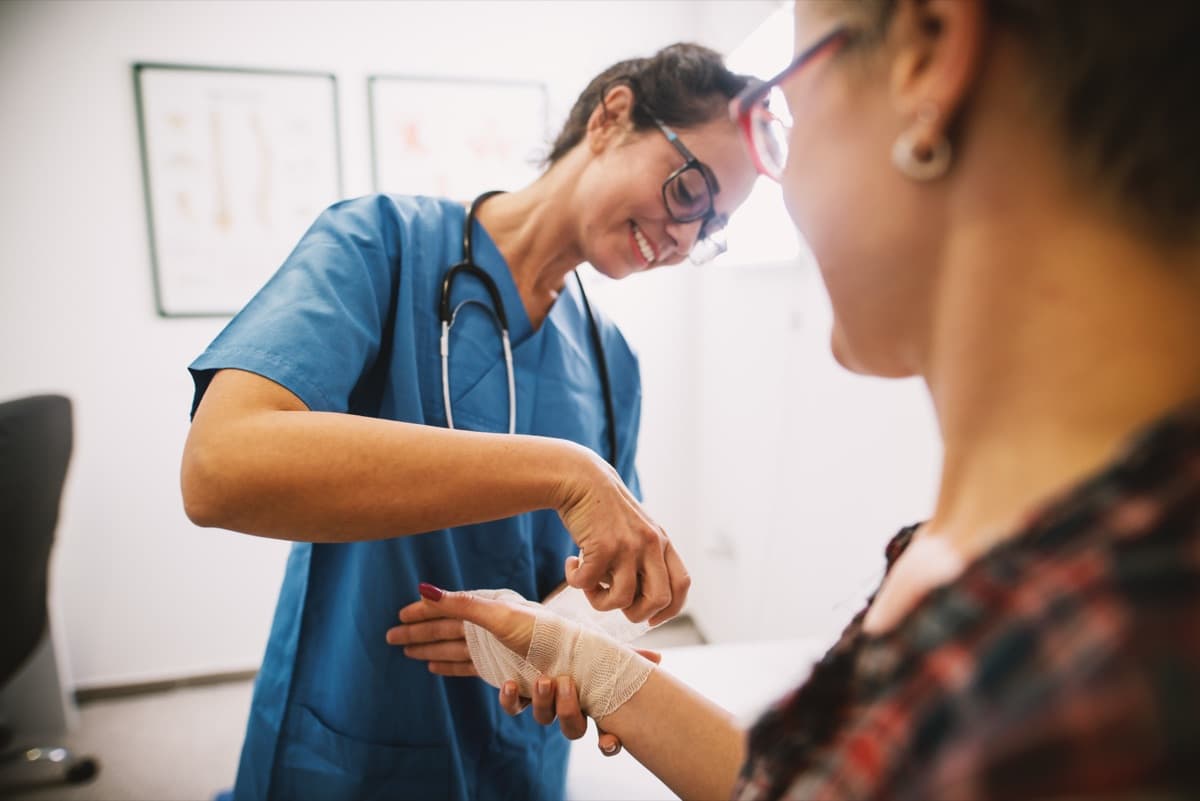
Family caregiver support is a clinical necessity in wound care, not an optional courtesy. The majority of chronic wound patients depend on an unpaid family member or friend for daily dressing changes, medication administration, offloading compliance, and transportation to appointments. When the caregiver is undertrained, overwhelmed, or burned out, wound care fails — regardless of how skilled the clinical treatment is during office visits.
An estimated 53 million Americans serve as unpaid caregivers. Among wound care patients, the caregiver is often the person who actually performs 80 to 90 percent of the hands-on wound management. They change dressings. They monitor for signs of infection. They manage compression garments. They ensure offloading devices are worn. Yet most wound care practices treat caregiver involvement as informal and incidental rather than as a structured component of the care plan.
Caregiver Assessment at Intake
Identifying the Primary Caregiver
Before training can begin, the care team needs to identify who will actually be performing wound care at home. This is not always the person who accompanies the patient to the appointment. Ask directly:
- "Who helps you with your wound care at home?"
- "Who changes your dressing when you can't do it yourself?"
- "Is there someone else who fills in when your primary helper is unavailable?"
Document the primary caregiver's name, relationship to the patient, and contact information in the chart. If the patient has no caregiver and cannot perform self-care, that fact itself is a critical care planning variable.
Evaluating Caregiver Readiness
Not every willing caregiver is a capable one. Assess:
- Physical ability. Can the caregiver see well enough to assess the wound? Do they have the manual dexterity to apply dressings? Can they physically position the patient for wound access?
- Cognitive readiness. Can the caregiver understand multi-step instructions? Do they have memory or attention limitations that affect learning?
- Emotional readiness. Some caregivers are uncomfortable with wound appearance, odor, or drainage. This is normal and addressable, but it must be identified early.
- Time availability. A caregiver who works full-time and manages other family responsibilities may not be able to perform twice-daily dressing changes reliably.
For a deeper look at training structure, see our article on wound care caregiver training protocols.
Training Protocols for Family Caregivers
Hands-On Demonstration
Verbal instructions alone are insufficient. Effective caregiver training follows a three-step model:
- Clinician demonstrates the procedure while the caregiver observes. Narrate each step and explain why it matters.
- Caregiver performs the procedure under clinician supervision. Correct technique in real time.
- Caregiver performs independently while the clinician observes without intervening. Provide feedback after completion.
This demonstrate-practice-observe sequence should happen before discharge from the first visit where home wound care is prescribed.
What Caregivers Need to Learn
At minimum, wound care caregiver training should cover:
- Hand hygiene and clean technique. When to wash, how long, what products to use.
- Dressing removal and wound assessment. What the wound should look like. What changes warrant a call to the provider.
- Dressing application. Step-by-step for the specific dressing type prescribed. Include how to secure, how much tension for compression, and common mistakes.
- Pain management during dressing changes. Positioning, timing with pain medication, and techniques to minimize discomfort.
- Supply management. How to reorder, where to store, and what to do if supplies run out before the next delivery.
- Emergency recognition. Signs of infection, increased drainage, new odor, exposed tendon or bone, and when to go to the emergency department versus calling the office.
Visual Aids and Reference Materials
Provide caregivers with take-home materials that include photographs of correct dressing application, a simplified checklist they can follow during each dressing change, and a contact card with the office number and after-hours line. Written materials should be designed for low-literacy readers. For guidance on creating effective materials, see our guide to patient education materials.
Recognizing Caregiver Burnout
Warning Signs
Caregiver burnout does not announce itself. It accumulates gradually, and burned-out caregivers often do not recognize or report their own decline. Watch for:
- Missed appointments or late arrivals. Often the first objective signal.
- Declining wound care quality. Dressings applied incorrectly, less frequently, or with expired supplies.
- Caregiver irritability or emotional flatness during visits.
- Caregiver health decline. Weight loss, fatigue, new health complaints.
- Statements of overwhelm. "I don't know how much longer I can do this." "Nobody helps me."
Screening Tools
Validated caregiver burden instruments such as the Zarit Burden Interview (short form) can be administered periodically. Even a simple two-question screen — "On a scale of 1 to 10, how stressed are you about caregiving?" and "Do you feel you have enough help?" — captures meaningful data.
Respite Resources and Community Support
Connecting Caregivers to Help
When burnout is identified, the response should be practical, not just empathetic. Options to explore:
- Home health aide services. Many wound care patients qualify for home health visits that can supplement caregiver efforts. Verify insurance coverage and make the referral.
- Respite care programs. Area Agencies on Aging (AAA) and local nonprofits offer short-term respite for family caregivers.
- Caregiver support groups. In-person and online support groups provide emotional support and practical problem-solving. The National Alliance for Caregiving and local hospital systems maintain directories.
- Wound care supply delivery services. Eliminating the supply acquisition burden saves caregiver time and reduces one source of stress.
- Social work referral. A social worker can assess the full range of caregiver needs and connect them with community resources the clinical team may not know about.
Documenting Caregiver Education and Involvement
Why Documentation Matters
Medicare and most payers expect documentation of patient and caregiver education as part of wound care treatment. Beyond compliance, documentation creates a record that:
- Demonstrates medical necessity for continued treatment (the patient requires ongoing professional wound care because the home caregiver has limitations).
- Tracks caregiver competency over time.
- Provides legal protection if a caregiver error leads to a complication.
What to Document
- Caregiver name and relationship to the patient.
- Education provided at each visit: topic, method (verbal, demonstration, written materials), and caregiver response.
- Return demonstration results. Note whether the caregiver performed the procedure correctly and any corrections made.
- Barriers identified. Physical limitations, comprehension gaps, emotional resistance, or time constraints.
- Referrals made. Home health, social work, respite services, or supply assistance.
- Caregiver burden screening results when administered.
Key Takeaways
- Family caregivers perform the majority of daily wound care for chronic wound patients. Their skill, capacity, and wellbeing directly affect healing outcomes.
- Structured caregiver assessment at intake should evaluate physical ability, cognitive readiness, emotional comfort, and time availability before training begins.
- Hands-on training using a demonstrate-practice-observe model is far more effective than verbal instructions alone. Provide visual reference materials for home use.
- Caregiver burnout is common and often invisible. Screen for it regularly and connect caregivers with home health, respite, and community support resources before quality of care declines.
- Document caregiver education, competency assessments, and burden screening at every visit to support medical necessity, track caregiver capacity, and protect the practice.